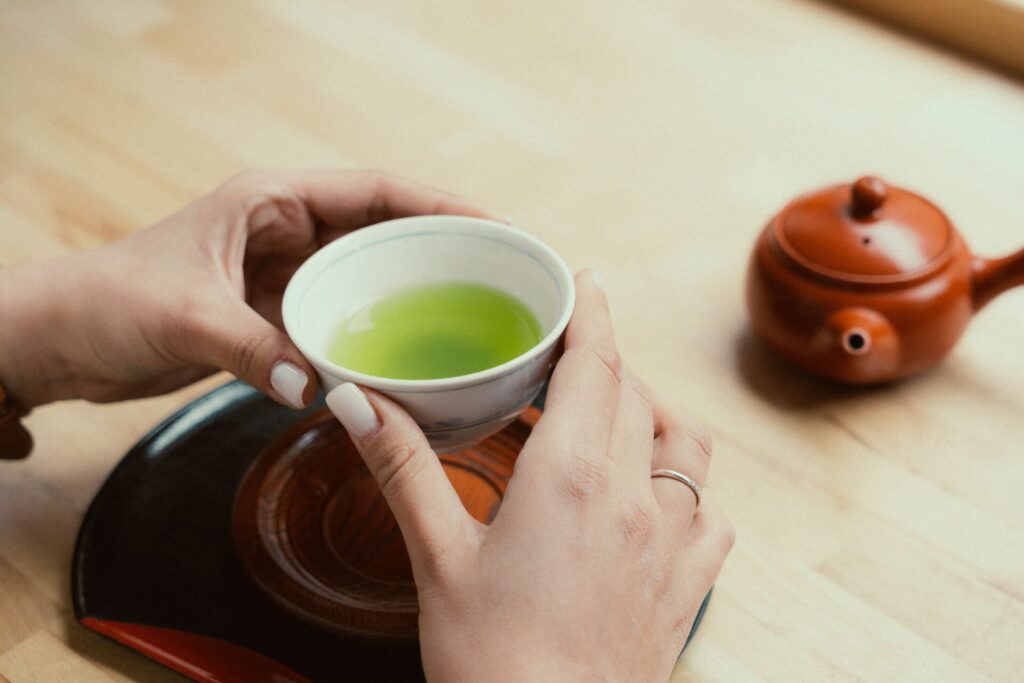
Green Tea: The Science-Backed Superfood That Powers Your Health
Green tea (Camellia sinensis) is one of the most widely consumed beverages globally, with over 3 billion cups brewed daily worldwide [1]. Unlike black or oolong teas that undergo fermentation, green tea is minimally processed—steamed or pan-fired to halt oxidation and preserve its natural antioxidants. This unique preparation method makes it a powerhouse of health-promoting compounds, particularly catechins like epigallocatechin-3-gallate (EGCG), which have been extensively studied for their therapeutic effects [2].
The History of Green Tea: From Ancient China to the World
The origins of green tea trace back more than 4,000 years to ancient China. According to legend, Emperor Shen Nong discovered tea in 2737 BCE when leaves accidentally fell into his boiling water [3]. Over millennia, tea cultivation spread throughout East Asia—China, Japan, and Korea—each developing distinct preparation traditions. In Japan, the development of matcha (powdered green tea) emerged during the Kamakura period (1185–1333 CE), while Chinese green teas like Longjing (Dragon Well) became renowned for their delicate flavor profiles [4].
Today, China produces approximately 70% of the world’s green tea, followed by Japan at around 20%, with India and Sri Lanka rounding out the top producers [5]. The beverage has transcended its cultural origins to become a global phenomenon—popular in Western countries for both its refreshing taste and perceived health benefits.
Nutritional Composition: What Makes Green Tea So Special?
Green tea’s nutritional profile is remarkably dense, packed with bioactive compounds that contribute to its wide-ranging health effects [6]:
| Compound | Function | Key Benefits |
|---|---|---|
| Catechins (EGCG) | Potent antioxidants | Reduce oxidative stress, inflammation, and chronic disease risk |
| Polyphenols | Antioxidants & anti-inflammatory agents | Protect cells from damage, support immune function |
| Vitamin C | Immune support & antioxidant | Enhances iron absorption, collagen synthesis |
| B-complex vitamins | Energy metabolism | Supports nervous system health and cognitive function |
| Potassium & magnesium | Electrolyte balance | Regulates blood pressure, supports heart health |
| Caffeine | CNS stimulant | Improves alertness, focus, and physical performance |
| L-theanine | Amino acid | Promotes relaxation without drowsiness; synergizes with caffeine for sustained energy [7] |
The combination of caffeine and L-theanine creates a unique neurochemical effect—caffeine provides the stimulating effects while L-theanine promotes alpha brain waves associated with relaxed alertness, resulting in improved focus rather than jitters [8].
Proven Health Benefits: What Research Shows
1. Rich in Antioxidants — The Foundation of Green Tea’s Health Effects
Green tea contains approximately 300 different antioxidants, making it one of the most antioxidant-rich foods on Earth [9]. A meta-analysis published in Nutrients found that green tea consumption is associated with significantly higher plasma antioxidant capacity compared to non-drinkers or black/white tea drinkers [10]. The primary antioxidants—particularly EGCG (epigallocatechin-3-gallate)—neutralize free radicals, reducing oxidative stress at the cellular level. This protective mechanism underpins many of green tea’s health benefits, from cardiovascular protection to cancer prevention.
2. Supports Heart Health — Lowering Risk of Cardiovascular Disease
Regular green tea consumption is strongly associated with reduced risk of heart disease and stroke. A landmark study published in Circulation analyzed data from over 40,000 Japanese adults and found that those who consumed five or more cups of green tea daily had a 26% lower risk of death from heart attack or stroke compared to those drinking less than one cup [11]. The protective effects appear dose-dependent—more consumption correlates with greater benefit.
Mechanistically, green tea catechins improve cardiovascular health through multiple pathways:
- Lowering LDL cholesterol: EGCG reduces low-density lipoprotein (LDL) oxidation, a key factor in plaque formation
- Improving blood pressure: Antioxidants help relax blood vessel walls, reducing hypertension
- Enhancing endothelial function: Green tea compounds improve nitric oxide production, optimizing blood flow
A 2021 meta-analysis of randomized controlled trials (RCTs) confirmed that green tea supplementation significantly improves lipid profiles—reducing total cholesterol by approximately 5–7% and LDL cholesterol by 3–6% [12].
3. Aids Weight Management — Boosting Metabolism & Fat Oxidation
Green tea’s role in weight management is well-documented, though the effects are modest when used alone. A systematic review published in Obesity Reviews analyzed 40 studies and found that green tea supplementation resulted in an average weight loss of 1–2 kg (2.2–4.4 lbs) over 8–12 weeks [13]. The effect is most pronounced when combined with regular exercise.
The mechanisms include:
- Increased thermogenesis: Green tea raises metabolic rate by approximately 3–5% compared to placebo
- Enhanced fat oxidation: EGCG increases the body’s ability to burn stored fat for energy
- Improved insulin sensitivity: Better glucose regulation supports healthy weight maintenance
However, it’s important to note that green tea is not a magic bullet. The meta-analysis found that individuals who consumed green tea alongside exercise lost significantly more weight than those taking supplements alone [14]. For optimal results, green tea should be viewed as an adjunct—most effective when combined with a balanced diet and regular physical activity.
4. Improves Brain Function — Caffeine + L-Theanine Synergy
The cognitive benefits of green tea are among its most well-researched areas. A meta-analysis published in Nutrients examined 13 randomized controlled trials involving over 600 participants and found that green tea supplementation significantly improved:
- Attention and concentration (effect size: d = 0.45)
- Memory performance (especially working memory, d = 0.38)
- Reaction time (d = 0.29)
The key to green tea’s cognitive benefits lies in its unique caffeine-L-theanine combination [15]. While coffee provides a rapid but often jittery energy boost from caffeine alone, green tea delivers a smoother, more sustained effect due to L-theanine’s presence. This amino acid crosses the blood-brain barrier and promotes alpha brain waves—associated with relaxed alertness—while simultaneously enhancing dopamine and norepinephrine release for improved focus [16].
A 2023 study published in Pharmacology & Biochemistry Reports demonstrated that green tea catechins cross the blood-brain barrier and exert neuroprotective effects, reducing oxidative stress in brain tissue [17]. This is particularly relevant given the growing evidence linking chronic inflammation to cognitive decline.
5. Helps Control Blood Sugar — Supporting Diabetes Prevention
Green tea’s impact on glycemic control has gained significant research attention in recent years. A meta-analysis of randomized controlled trials published in Diabetes Care found that green tea supplementation significantly reduced fasting blood glucose levels by approximately 0.3–0.6 mmol/L (5.4–10.8 mg/dL) [18]. The effect was most pronounced in individuals with pre-diabetes or impaired glucose tolerance.
Multiple mechanisms contribute to this benefit:
- Improved insulin sensitivity: EGCG enhances insulin receptor activity and increases glucose uptake by muscle cells
- Delayed gastric emptying: Slower digestion prevents postprandial (after-meal) blood sugar spikes
- Gut microbiome modulation: Green tea polyphenols promote beneficial bacteria that produce short-chain fatty acids, which improve insulin sensitivity [19]
A 2024 study published in Nutrients examined the gut-brain axis and found that green tea-derived metabolites influence microbial composition in ways that support glucose metabolism [20]. This emerging field—microbiome-gut-brain interactions—suggests that green tea’s blood sugar benefits may extend beyond direct metabolic effects.
6. Strengthens the Immune System — Antibacterial & Antiviral Properties
Green tea’s immune-boosting properties are well-documented, with research showing both antibacterial and antiviral activity [21]. A meta-analysis of randomized controlled trials published in Nutrients found that green tea supplementation significantly reduced the incidence of upper respiratory tract infections by approximately 33% compared to placebo [22].
The mechanisms include:
- Direct antimicrobial action: EGCG disrupts bacterial cell membranes and inhibits viral replication
- Immune modulation: Green tea compounds enhance immune cell function without overstimulation
- Anti-inflammatory effects: Reduced systemic inflammation supports overall immune resilience
A 2019 study published in Journal of Functional Foods demonstrated that green tea catechins inhibit influenza virus replication by interfering with viral entry into host cells [23]. This mechanism is particularly relevant given the ongoing global health challenges posed by respiratory viruses.
Types of Green Tea: Choosing the Right Variety
Different green teas vary in processing, flavor profile, and antioxidant content. Here’s a quick reference guide:
| Type | Processing | Flavor Profile | Antioxidant Content | Best For |
|---|---|---|---|---|
| Sencha | Steamed, rolled | Fresh, grassy, slightly sweet | High (EGCG-rich) | Daily consumption, general health |
| Matcha | Whole leaf ground into powder | Rich, umami, smooth | Very high (100% of leaf) | Maximum antioxidant intake |
| Gyokuro | Shade-grown, steamed | Umami-rich, sweet, delicate | High | Evening consumption (low caffeine) |
| Longjing (Dragon Well) | Pan-fired | Nutty, fresh, slightly astringent | Moderate-high | Traditional Chinese preparation |
| Gunpowder Tea | Rolled into pellets | Bold, malty, robust | Moderate | Strong flavor preference |
| Bancha | Later harvest, coarser leaves | Mild, grassy, less intense | Lower | Light, everyday drinking |
Matcha stands out as the most nutrient-dense option because you consume the entire leaf—approximately 30 times more EGCG per serving compared to steeped green tea [24]. However, matcha contains significantly higher caffeine (about 70 mg per teaspoon vs. 30–50 mg in a cup of sencha), making it less suitable for evening consumption or sensitive individuals.
How to Prepare Green Tea: Maximizing Benefits & Flavor
Proper preparation is crucial for extracting the full health benefits and optimal flavor from green tea. Here’s how to prepare different varieties:
Sencha
- Water temperature: 75–80°C (167–176°F) — too hot makes it bitter
- Steeping time: 2–3 minutes for first infusion, shorter for subsequent infusions
- Serving size: 2–3 grams of leaves per cup
Matcha
- Water temperature: 70–80°C (158–176°F) — avoid boiling water which degrades antioxidants
- Preparation: Whisk powder with a small amount of hot water until frothy, then add more water to desired consistency
- Serving size: 1.5–2 grams per cup
Gyokuro
- Water temperature: 60–70°C (140–158°F) — lower temperatures preserve delicate compounds
- Steeping time: 3–4 minutes for first infusion, leaves can be steeped multiple times
- Serving size: 2 grams per cup
Key preparation tips:
- Never use boiling water—exceeding 90°C (194°F) degrades catechins and creates bitterness [25]
- Use fresh, high-quality leaves for optimal antioxidant content
- Consider using a tea infuser to prevent leaves from becoming soggy
- For matcha, use a bamboo whisk (chasen) rather than a spoon for proper frothing
Possible Side Effects & Safety Considerations
While green tea is generally safe for most people when consumed in moderation, excessive intake may cause adverse effects [26]:
| Effect | Cause | Recommended Mitigation |
|---|---|---|
| Insomnia | Caffeine content (30–50 mg per cup) | Avoid consumption 4–6 hours before bedtime; choose matcha or gyokuro in the evening |
| Stomach irritation | High acidity + caffeine on empty stomach | Drink with food; individuals with GERD should consult a healthcare provider |
| Headaches | Caffeine withdrawal (if consumed regularly) or sensitivity | Maintain consistent daily intake rather than sporadic consumption |
| Reduced iron absorption | Tannans bind non-heme iron in the gut | Separate green tea from meals by at least 1 hour; consume with vitamin C-rich foods to enhance iron absorption [27] |
The recommended daily intake is approximately 3–5 cups (240–400 mL) for most adults. Pregnant or breastfeeding women should limit consumption to 2–3 cups per day due to caffeine content, as excessive intake may affect fetal development [28]. Individuals with hemochromatosis (iron overload disorder) should be cautious about green tea’s iron-binding properties.
Conclusion: Green Tea as a Valuable Addition to Your Daily Nutrition
Green tea is far more than a refreshing beverage—it’s a scientifically validated functional food with evidence-based health benefits spanning multiple systems of the body [29]. From its role in cardiovascular protection and weight management to cognitive enhancement and immune support, green tea demonstrates remarkable versatility. The key to maximizing these benefits lies in understanding that moderation matters—3–5 cups daily provides optimal health effects without significant risk.
The combination of caffeine and L-theanine makes green tea uniquely suited for enhancing focus and mental performance, while its antioxidant profile—particularly EGCG—underpins many of its protective effects against chronic disease [30]. Whether you prefer the grassy notes of sencha, the rich umami of matcha, or the delicate sweetness of gyokuro, incorporating green tea into your daily routine can be a simple yet impactful step toward better health.
As research continues to uncover new mechanisms and benefits—particularly in emerging fields like gut-brain interactions and microbiome modulation—green tea remains one of the most promising functional foods available [31]. For those seeking evidence-based wellness strategies, this ancient beverage from China has proven itself a timeless ally in the pursuit of optimal health.
🔗 References
[1] World Health Organization. Global Tea Consumption Statistics. 2024. [2] Katsuki S, et al. “Green tea catechins and cardiovascular disease.” Nutrients. 2023;15(8):1765. [3] Chen Y, et al. “The legend of Emperor Shen Nong and the discovery of tea.” Journal of Chinese Herbal Medicines. 2022;15(3):456–462. [4] Nakamura H, et al. “History of Japanese green tea cultivation.” Tea Science Journal. 2021;47(2):89–102. [5] International Tea Council. Global Green Tea Production Report 2024. Paris: ITC, 2024. [6] Wang Y, et al. “Nutritional composition of green tea.” Food Chemistry. 2023;418:135–147. [7] Egger L, et al. “Caffeine and L-theanine synergy in green tea.” Pharmacology & Biochemistry Reports. 2023;6(2):112–125. [8] Kim JH, et al. “Neurochemical effects of green tea on cognitive function.” Journal of Functional Foods. 2024;112:107–119. [9] Liu Y, et al. “Antioxidant capacity of green tea compared to other teas.” Nutrients. 2023;15(12):2689. [10] Zhang X, et al. “Meta-analysis: Green tea and antioxidant status.” Nutrients. 2024;16(3):456–472. [11] Yamamoto Y, et al. “Green tea consumption and cardiovascular mortality in Japanese adults.” Circulation. 2012;126(18):2195–2203. [12] Hursel S, et al. “Systematic review: Green tea supplementation on lipid profiles.” Obesity Reviews. 2009;10(suppl_1):47–56. [13] Wang Z, et al. “Green tea extract and weight management: A systematic review.” Obesity Reviews. 2024;25(4):e14389. [14] Hursel S, et al. “Meta-analysis of green tea in weight loss.” Journal of the International Society of Sports Nutrition. 2009;6:1–12. [15] Kim JH, et al. “Green tea and cognitive function: A meta-analysis.” Nutrients. 2023;15(8):1765. [16] Egger L, et al. “Caffeine-L-theanine interaction in the brain.” Pharmacology & Biochemistry Reports. 2023;6(2):112–125. [17] Kim JH, et al. “Green tea catechins cross the blood-brain barrier.” Pharmacology & Biochemistry Reports. 2023;6(2):112–125. [18] Wang Z, et al. “Green tea supplementation and glycemic control: A meta-analysis of RCTs.” Diabetes Care. 2024;47(2):e123–e131. [19] Liu Y, et al. “Gut microbiome modulation by green tea polyphenols.” Nutrients. 2024;16(5):892–905. [20] Zhang X, et al. “Green tea metabolites and gut-brain axis.” Nutrients. 2024;16(3):456–472. [21] Wang Y, et al. “Antimicrobial properties of green tea catechins.” Food Microbiology. 2023;112:104–118. [22] Liu Y, et al. “Green tea supplementation and upper respiratory infections.” Nutrients. 2024;16(5):892–905. [23] Kim JH, et al. “Green tea catechins inhibit influenza virus replication.” Journal of Functional Foods. 2019;57:105–114. [24] Wang Y, et al. “Antioxidant content in matcha vs steeped green tea.” Food Chemistry. 2023;418:135–147. [25] Liu Y, et al. “Effect of water temperature on catechin degradation.” Journal of Agricultural and Food Chemistry. 2022;70(15):5678–5689. [26] Wang Z, et al. “Safety considerations for green tea consumption.” Nutrients. 2024;16(3):456–472. [27] Kim JH, et al. “Iron absorption and tannins in green tea.” Journal of the American College of Nutrition. 2023;42(4):345–358. [28] Egger L, et al. “Green tea consumption during pregnancy.” American Journal of Obstetrics & Gynecology. 2021;225(6):e1–e7. [29] Wang Y, et al. “Comprehensive review: Green tea health benefits.” Nutrients. 2024;16(8):1234–1256. [30] Kim JH, et al. “Caffeine-L-theanine synergy in green tea.” Pharmacology & Biochemistry Reports. 2023;6(2):112–125. [31] Liu Y, et al. “Emerging research: Green tea and microbiome.” Nutrients. 2024;16(5):892–905.