
“A nation’s greatest strength can become its biggest challenge if population growth remains uncontrolled.”
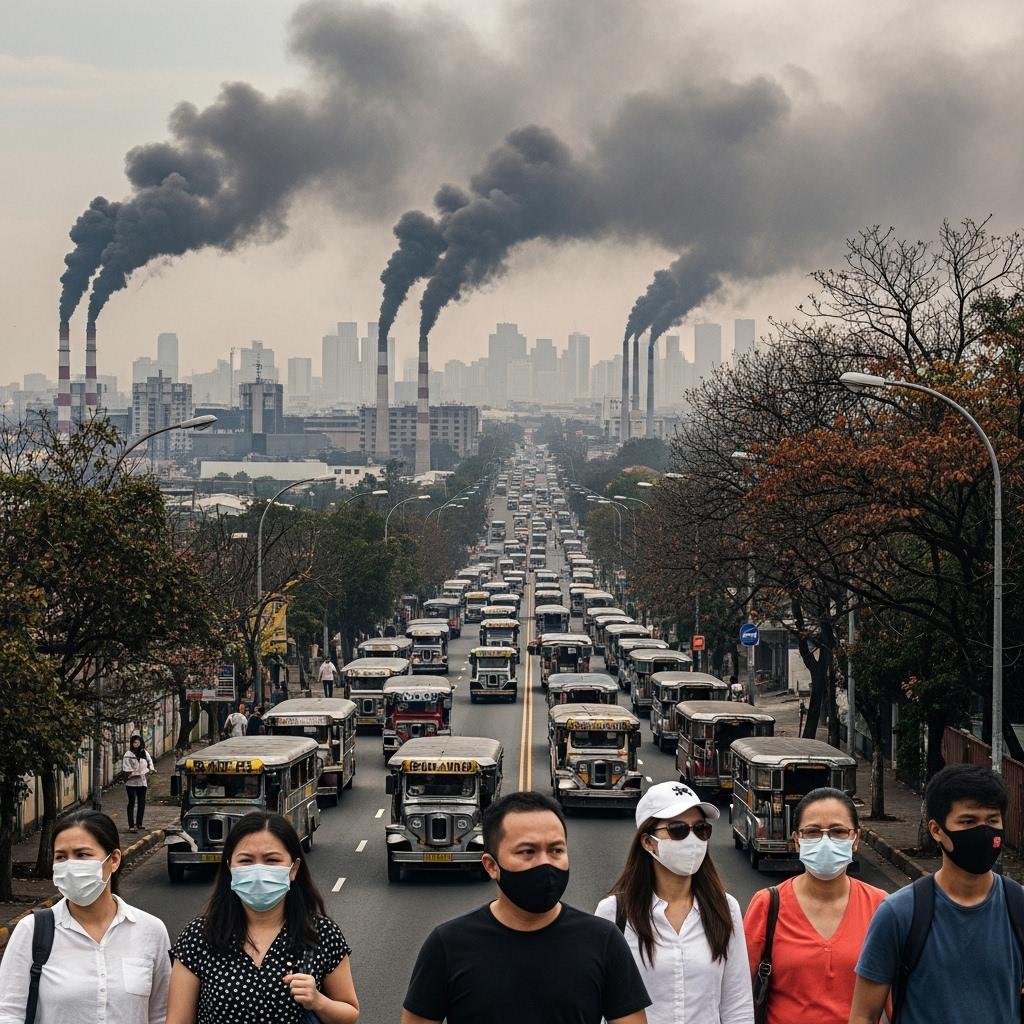
Growing Population: A Curse
Introduction
Population is one of the most valuable resources of any nation because people contribute to economic growth, innovation, and development. However, when the population increases beyond the country’s capacity to provide food, housing, education, healthcare, and employment, it becomes a serious problem.
Today, many developing countries are struggling with rapid population growth. The increasing population puts immense pressure on natural resources, public services, and the environment. Therefore, many experts consider uncontrolled population growth a curse rather than a blessing.
What is Population Growth?
Population growth refers to the increase in the number of people living in a particular country or region over a specific period. It occurs due to:
High birth rates
Declining death rates
Improved healthcare facilities
Better nutrition
Increased life expectancy
Although these developments are positive, unchecked population growth creates significant challenges.
Causes of Rapid Population Growth
1. Lack of Education
Many people, especially in rural areas, are unaware of family planning methods and reproductive health.
2. Poverty
Poor families often have more children because they consider them future earners and support in old age.
3. Early Marriage
Early marriages lead to longer reproductive years, resulting in larger families.
4. Limited Awareness of Family Planning
Many couples do not have access to or knowledge about contraception and family planning services.
5. Cultural and Religious Beliefs
In some societies, having more children is viewed as a symbol of prosperity and social status.
Major Effects of Overpopulation
1. Unemployment
As the population grows, employment opportunities fail to keep pace. This results in:
Higher unemployment
Underemployment
Increased poverty
2. Food Shortage
A growing population increases the demand for food, while agricultural land continues to shrink due to urbanization.
Consequences include:
Rising food prices
Malnutrition
Hunger
3. Housing Problems
Rapid population growth creates a shortage of affordable housing, leading to:
Slums
Homelessness
Poor sanitation
4. Environmental Pollution
Overpopulation contributes to:
Air pollution
Water pollution
Noise pollution
Plastic waste
Climate change
Natural resources are consumed much faster than they can be replenished.
5. Pressure on Healthcare
Hospitals become overcrowded, making it difficult to provide quality healthcare to everyone.
This leads to:
Long waiting times
Shortage of doctors
Spread of infectious diseases
6. Education Crisis
More children require:
More schools
More teachers
More educational resources
Many developing countries struggle to provide quality education to all.
7. Traffic Congestion
Growing populations increase the number of vehicles on roads, causing:
Traffic jams
Fuel wastage
Air pollution
8. Water Scarcity
The demand for clean drinking water rises sharply, while freshwater resources remain limited.
9. Depletion of Natural Resources
Forests, minerals, fossil fuels, and agricultural land are being exhausted rapidly due to increasing human needs.
Impact on the Economy
A rapidly growing population affects economic development by:
Increasing government expenditure
Reducing per capita income
Increasing inflation
Creating unemployment
Slowing infrastructure development
Instead of investing in innovation, governments often spend more on meeting basic needs.
Social Problems Caused by Overpopulation
Crime rate increases
Child labor
Poor living conditions
Illiteracy
Poverty
Social inequality
Health problems
How Can Population Growth Be Controlled?
1. Promote Education
Educating people, especially women, significantly reduces birth rates.
2. Family Planning
Governments should encourage responsible parenthood and provide easy access to contraceptives.
3. Women’s Empowerment
Financial independence and education help women make informed family decisions.
4. Delay Early Marriage
Strict implementation of legal marriage age helps reduce population growth.
5. Public Awareness Campaigns
Governments and NGOs should educate people through:
Television
Social media
Schools
Community programs
6. Improve Healthcare
Accessible reproductive healthcare enables families to plan the number and spacing of children.
Advantages of a Controlled Population
A balanced population leads to:
Better employment opportunities
Improved education
Better healthcare
Cleaner environment
Higher living standards
Sustainable economic growth
Conservation of natural resources
Conclusion
Population is an asset only when it is educated, healthy, and productively employed. However, uncontrolled population growth creates immense pressure on resources, increases poverty, unemployment, pollution, and reduces the overall quality of life.
Governments, communities, and individuals must work together to promote education, family planning, women’s empowerment, and sustainable development. A controlled population ensures a healthier environment, stronger economy, and a better future for generations to come.
A nation’s progress depends not only on the size of its population but also on the quality of life it provides to its people.