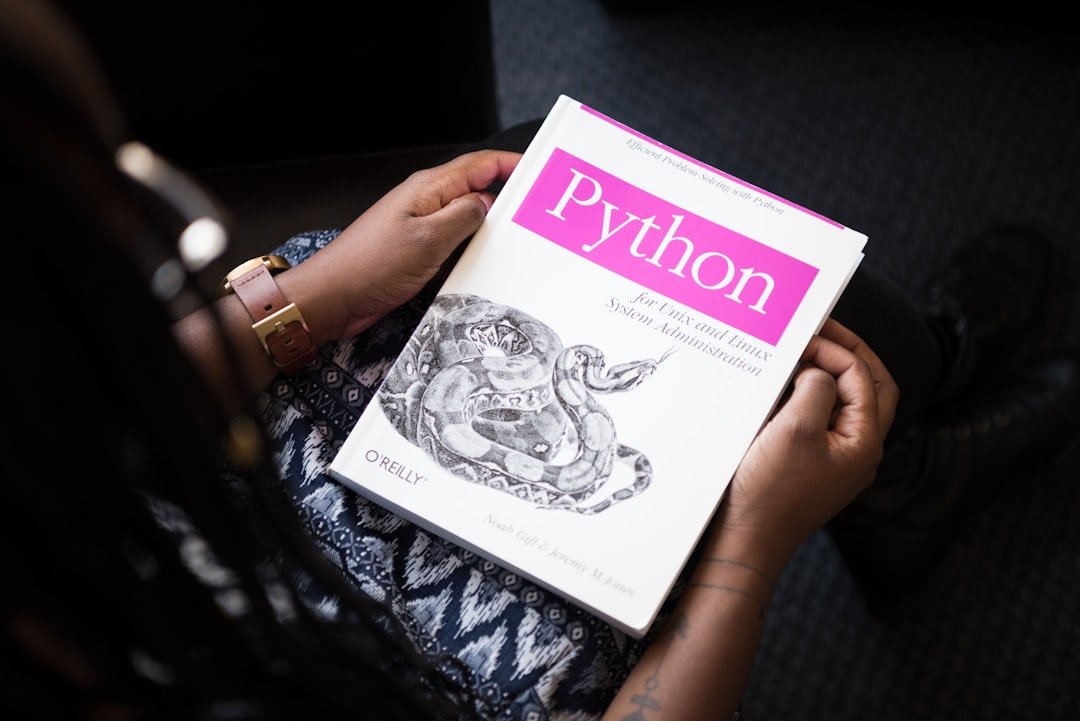
Photo by Christina @ wocintechchat.com M on Unsplash
The landscape of artificial intelligence has shifted dramatically since the early days of deep learning. In years past, building an intelligent system meant months of manual work, expensive GPU clusters, and a heavy reliance on advanced mathematics that felt impenetrable to most people. Today, you can build a genuinely useful AI application in about 30 minutes using existing APIs and accessible libraries. This isn’t just a convenience; it’s a fundamental change in how we approach data science.
For professionals seeking practical digital skills, Python remains the dominant programming language in artificial intelligence, machine learning, and data science — used by over 90 percent of AI practitioners worldwide. The good news is that Python is also one of the easiest programming languages to learn, with clean syntax that reads almost like English. You don’t need a computer science degree or years of math training; what you do need is a clear roadmap, disciplined practice, and the right resources.
By following this guide, you’ll move beyond theoretical understanding into hands-on creation. Whether your goal is building recommendation engines for products, fraud detection systems for financial services, or healthcare tools that spot anomalies in medical data, machine learning offers a strategic advantage by turning raw numbers into actionable decisions without manual rule-setting.
Understanding the Shift in AI Development in 2026
The concept of “building an AI project” has undergone a radical transformation since the early days of deep learning. Previously, this meant months of manual work, expensive GPU clusters, and a heavy reliance on advanced mathematics that felt impenetrable to most people. Today, you can build a genuinely useful AI application in about 30 minutes using existing APIs and accessible libraries. This isn’t just a convenience; it’s a fundamental change in how we approach data science.
The tools available now make artificial intelligence accessible to anyone willing to invest consistent effort — regardless of your educational background, age, or technical experience. The single most important thing is understanding that you don’t need to become a Python expert before moving to AI topics, but you do need enough proficiency to write functions, work with data structures, use libraries, and debug basic errors.
Setting Up Your Python Environment for Machine Learning
Before diving into the actual project, establishing a proper development environment is crucial. Many beginners make the mistake of installing AI libraries globally across their system, which creates security vulnerabilities and conflicts between projects. Instead, always create an isolated virtual environment first.
Begin by ensuring you have Python 3.12 installed — download it from python.org if necessary. During installation on Windows, be sure to check the box that says “Add Python to PATH.” For code editing, Visual Studio Code with the Python extension provides excellent debugging capabilities and seamless integration with your local environment.
Next, install the essential machine learning libraries:
pip install scikit-learn pandas numpy matplotlib openai python-dotenv
This creates a dedicated workspace where you can experiment without affecting your system-wide packages. The python-dotenv library is particularly important for managing API keys securely — it allows you to store sensitive credentials in a .env file rather than hardcoding them directly into your scripts.
Choosing Your First AI Project
What should you build first? The classic “Hello World” of machine learning involves creating an iris flower species classifier. This model looks at measurements of flowers (petal length, petal width, sepal length, sepal width) and predicts which of three species they belong to: Iris setosa, Iris versicolor, or Iris virginica.
This project works perfectly for beginners because the dataset is clean, the problem is well-defined, and the techniques you learn here transfer directly to real-world problems like fraud detection, medical diagnosis, customer churn prediction, and hiring screening systems. The same mathematical principles apply regardless of whether you’re analyzing flowers or financial transactions.
For those interested in natural language processing rather than traditional classification tasks, consider building a domain-specific chatbot. This could answer questions about Python programming, Philippine history, or your specific field of study. Such a project demonstrates practical AI application and can be showcased effectively to potential employers or clients.
The Step-by-Step Build Process
Building machine learning models follows a consistent workflow that applies across different problems:
Data Preparation
Before training any model, you must prepare the data for analysis. This involves loading datasets, understanding their structure using statistical summaries, and performing exploratory data analysis (EDA) to uncover hidden patterns. The most common mistake beginners make is skipping this phase entirely — models trained on poorly prepared data will inevitably produce unreliable results.
Selecting Suitable Algorithms
Python provides simple syntax and useful libraries that make machine learning easy to understand and implement. For classification problems like the iris classifier, algorithms such as decision trees, random forests, or support vector machines are typically effective starting points. The key is selecting an algorithm appropriate for your specific problem rather than defaulting to whatever seems most popular in tutorials.
Training Models
Once data preparation and algorithm selection complete, you train models using historical data. This step requires careful attention to how you split data into training and testing sets — never test on the same data used for training, or your performance metrics will be artificially inflated.
Evaluating Performance
Model evaluation is where many projects fail silently. You must verify that accuracy is reliable rather than relying solely on overall percentages. Cross-validation techniques help ensure that your model generalizes well to unseen data rather than simply memorizing the training set.
Evaluating and Iterating on Your Model
The first machine learning model most people build performs poorly — predicting whether a customer would churn with about the same accuracy as flipping a coin. The code is messy, the data is uncleaned, and evaluation metrics are often wrong. But building it mattered more than expected because the second model was better, and the third was better still.
Every expert was once a beginner who decided to start. This iterative improvement process — making models progressively better through careful debugging and data cleaning — represents genuine learning. The first project doesn’t need to be perfect; it needs to be complete enough that you can identify what went wrong and how to fix it.
Looking Ahead: Career Opportunities in Python Machine Learning
Machine learning influences many fields today, powering recommendation engines that suggest products users may like, fraud detection systems that alert banks about suspicious activity, and healthcare tools that spot anomalies in medical scans. This capability makes AI a key digital skill for future-ready professionals who want to solve real business problems from customer churn prediction to sales forecasting.
The first AI model I ever built was terrible — it predicted whether a customer would churn with about the same accuracy as flipping a coin. The code was messy, the data was uncleaned, and the evaluation metrics were wrong. But I built it. And that mattered more than I knew at the time because the second model was better, and the third was better still. Somewhere around the fifteenth model, I was doing work that genuinely helped people — reducing bias in hiring systems, improving financial access for underserved communities, building tools that worked across seven languages.
Every expert was once a beginner who decided to start. This guide is your beginning point. By following these steps and committing to consistent practice over the next few weeks, you’ll have a working AI model making real predictions — not a toy simulation or academic exercise, but an actual machine learning classifier trained on real data and evaluated with meaningful metrics.
The journey from zero to building AI projects happens within months when approached systematically. Start with structured beginner courses like Python for Everybody on Coursera (taught by Dr. Charles Severance from the University of Michigan, completely free to audit), Automate the Boring Stuff with Python (free online textbook with video lectures), and freeCodeCamp’s Python tutorial on YouTube. Spend 1-2 hours daily working through lessons and writing your own code from scratch rather than passively watching videos.
The tools, courses, and communities available today make artificial intelligence accessible to anyone willing to invest consistent effort — regardless of your educational background, age, or technical experience. You do not need a computer science degree, a powerful GPU, or years of math training; what you need is clarity about where to start, the right resources at hand, and disciplined daily practice.
Your first project doesn’t need to be revolutionary to matter — it just needs to complete. A working flower classifier that accurately identifies species demonstrates genuine understanding of machine learning fundamentals. That foundation makes subsequent projects increasingly manageable rather than overwhelming. Every line of code you write teaches something new about data preprocessing, model selection, or evaluation metrics.
Start building today. The field evolves rapidly, but the core principles remain constant: prepare your data carefully, select appropriate algorithms for specific problems, train models on representative datasets, evaluate performance rigorously, and iterate based on honest feedback from both metrics and real users.
FAQ
Why is Python the preferred language for machine learning?
Python remains the dominant programming language in artificial intelligence, used by over 90 percent of practitioners worldwide because its clean syntax reads almost like English and requires minimal mathematics to get started. You don’t need a computer science degree or years of math training—just enough proficiency to write functions and work with data structures.
What should beginners install first when setting up their environment?
Always create an isolated virtual environment before installing any packages globally, as this prevents security vulnerabilities and conflicts between projects. Start by ensuring Python 3.12 is installed on your system, then use pip to install essential libraries like scikit-learn, pandas, numpy, matplotlib, openai, and python-dotenv in that dedicated workspace.
How do I securely store API keys in my projects?
Use the python-dotenv library to manage sensitive credentials by storing them in a .env file rather than hardcoding them directly into your scripts. This approach keeps your API keys secure while allowing you to load them safely when running your code locally or deploying it elsewhere.
What makes a good first AI project for beginners?
Start with the classic iris flower species classifier, which predicts whether a flower belongs to Iris setosa, versicolor, or virginica based on measurements like petal length and width. This simple yet practical model demonstrates how machine learning can turn raw data into actionable decisions without requiring manual rule-setting.